
Software Engineering Excellence
The Software Engineering Excellence Assessment evaluates the maturity of engineering practices across the full software development lifecycle. It is designed to help organizations identify gaps between agile delivery and technical excellence, enabling teams to improve quality, flow, and long-term sustainability.
Created by:

Mooly Beeri
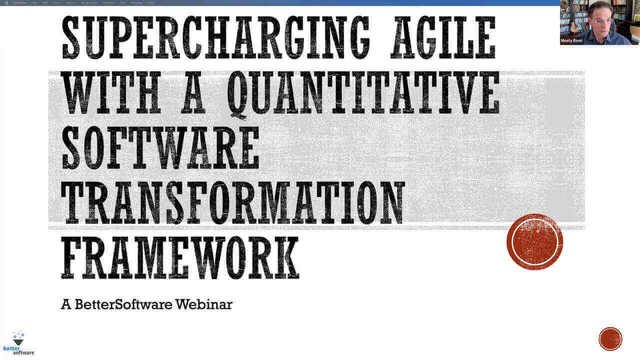
Targeted at agile teams, engineering leaders, architects, and coaches, the assessment provides a structured, data-driven view of how effectively software is designed, built, tested, and maintained.
Built on the Better Software Framework, the assessment uses a Likert-based model to measure maturity across key dimensions including technical practices, collaboration culture, delivery flow, and continuous improvement. It uniquely combines deep lifecycle coverage with measurable indicators—spanning requirements through maintenance—allowing organizations to benchmark performance, uncover systemic issues, and prioritize high-impact improvements.
Key benefits include improved delivery predictability, reduced defect rates, faster lead times, and increased developer satisfaction through disciplined, continuously improving engineering practices.
Assessment Benefits

Make Better Engineering Decisions, Faster
Gain a clear, data-driven view of your engineering maturity across the entire lifecycle. The assessment highlights exactly where your biggest gaps and opportunities are, enabling leaders and teams to prioritize improvements that have the highest impact on quality, speed, and reliability.
Align Teams Around a Common Standard
Establish a shared language and benchmark for engineering excellence across teams and departments. This alignment reduces friction, improves collaboration, and ensures consistent practices at scale.
Reduce Waste and Improve Delivery Flow
By uncovering inefficiencies in areas like integration, testing, and release processes, the assessment helps teams eliminate bottlenecks and reduce rework. The result is faster lead times, smoother delivery, and more predictable outcomes.
Drive Continuous, Measurable Improvement
Track progress over time using clear maturity indicators and trends. The assessment turns improvement into an ongoing, measurable system—not a one-time initiative—helping organizations sustain long-term engineering excellence.
Improve Software Quality and Reduce Defects
Identify the root causes of defects early—before they reach production. With a strong focus on prevention, automation, and measurable practices, teams can significantly improve product stability and customer satisfaction.
Sample Questions
Requirements & Architecture
Our software requirements are clearly defined, reviewed for quality, and traceable to design and tests.
Design & Quality Practices
Software design is intentionally modeled before coding and reviewed for correctness and testability.
Implementation & Code Quality
Static analysis is integrated into CI pipelines, and new violations are prevented from entering the codebase.
Testing & Integration
Unit tests are required for all changes, with coverage monitored and protected from regression.
Release & Maintenance
Deployments are automated, monitored, and continuously improved for reliability and speed.
Implementation & Code Quality
Code reviews follow defined standards, detect issues early, and continuously improve based on measurable outcomes.
I am the creator of the Better Software framework, a structured model for advancing software engineering excellence through measurable practices and continuous improvement.
We help engineering leaders transform their teams into world-class software organizations — guaranteeing 15% more features delivered, 40% fewer production issues, and up to 33% lower costs within the first year.
We commit to the fastest improvement possible for any given budget through our standardized and proven software excellence framework, used by Fortune 500 companies such as Mercedes-Benz and Philips.
With nearly three decades in the software industry, I’ve focused my career on improving how large organizations build and deliver software. Along the way, I’ve worked with global leaders including Microsoft, Mercedes-Benz, Roche, and Philips, applying deep expertise in software excellence and DevOps.

'%3e%3cg%20opacity='0.5'%3e%3cpath%20fill-rule='evenodd'%20clip-rule='evenodd'%20d='M6.05554%2024.5C6.82259%2014.1549%2015.459%206%2026.0001%206C24.3384%206%2022.8589%206.72842%2021.6417%207.84225C20.4307%208.95051%2019.4073%2010.4976%2018.5795%2012.3263C17.7469%2014.1658%2017.1001%2016.3174%2016.6624%2018.6522C16.3115%2020.5239%2016.0979%2022.497%2016.0268%2024.5H6.05554ZM6.05554%2027.5H16.0268C16.0979%2029.503%2016.3115%2031.4761%2016.6624%2033.3478C17.1001%2035.6826%2017.7469%2037.8342%2018.5795%2039.6737C19.4073%2041.5024%2020.4307%2043.0495%2021.6417%2044.1577C22.8589%2045.2716%2024.3384%2046%2026.0001%2046C15.459%2046%206.82259%2037.8451%206.05554%2027.5Z'%20fill='%23193A74'/%3e%3cpath%20d='M26.0001%206C27.6619%206%2029.1414%206.72842%2030.3585%207.84226C31.5696%208.95051%2032.593%2010.4976%2033.4207%2012.3263C34.2534%2014.1658%2034.9001%2016.3174%2035.3379%2018.6522C35.6888%2020.5239%2035.9023%2022.497%2035.9735%2024.5H45.9447C45.1777%2014.1549%2036.5413%206%2026.0001%206Z'%20fill='%23193A74'/%3e%3cpath%20d='M35.3379%2033.3478C34.9001%2035.6826%2034.2534%2037.8342%2033.4207%2039.6737C32.593%2041.5024%2031.5696%2043.0495%2030.3585%2044.1577C29.1414%2045.2716%2027.6619%2046%2026.0001%2046C36.5413%2046%2045.1777%2037.8451%2045.9447%2027.5H35.9735C35.9024%2029.503%2035.6888%2031.4761%2035.3379%2033.3478Z'%20fill='%23193A74'/%3e%3cg%20opacity='0.5'%3e%3cpath%20d='M26.0002%208.79102C25.4502%208.79102%2024.7397%209.02505%2023.9134%209.78115C23.0811%2010.5428%2022.2479%2011.7366%2021.5117%2013.3631C20.7804%2014.9787%2020.1866%2016.9291%2019.7779%2019.1087C19.4561%2020.8252%2019.2565%2022.6447%2019.1864%2024.5003H32.8141C32.744%2022.6447%2032.5444%2020.8252%2032.2226%2019.1087C31.8139%2016.9291%2031.2201%2014.9787%2030.4888%2013.3631C29.7526%2011.7366%2028.9194%2010.5428%2028.087%209.78115C27.2608%209.02505%2026.5503%208.79102%2026.0002%208.79102Z'%20fill='%23193A74'/%3e%3cpath%20d='M19.7779%2032.8919C20.1866%2035.0715%2020.7804%2037.0219%2021.5117%2038.6376C22.2479%2040.264%2023.0811%2041.4578%2023.9134%2042.2195C24.7397%2042.9756%2025.4502%2043.2096%2026.0002%2043.2096C26.5503%2043.2096%2027.2608%2042.9756%2028.087%2042.2195C28.9194%2041.4578%2029.7526%2040.264%2030.4888%2038.6376C31.2201%2037.0219%2031.8139%2035.0715%2032.2226%2032.8919C32.5444%2031.1755%2032.744%2029.3559%2032.8141%2027.5003H19.1864C19.2565%2029.3559%2019.4561%2031.1755%2019.7779%2032.8919Z'%20fill='%23193A74'/%3e%3c/g%3e%3c/g%3e%3c/g%3e%3cdefs%3e%3cclipPath%20id='clip0_612_654'%3e%3crect%20width='52'%20height='52'%20fill='white'/%3e%3c/clipPath%3e%3c/defs%3e%3c/svg%3e)